12 Shoe Repair Text Message Templates for Cobbler Shops
Last updated: 2026-08-22 · Shop practices and price examples are linked to the shops' own pages throughout.
Here are 12 text message templates for a shoe repair shop, covering the whole counter cycle: drop-off confirmation, quote approval, delay notices, ready-for-pickup, the escalating reminders that shrink the unclaimed-shoes shelf, and the review ask. Copy them, swap the names, and send them from whatever you text with. They are written for the trade's specific problems - the mid-job approval dispute, the customer who vanishes for two years, the September boot rush - not adapted from a dentist's reminder system.
The sign in every cobbler's window
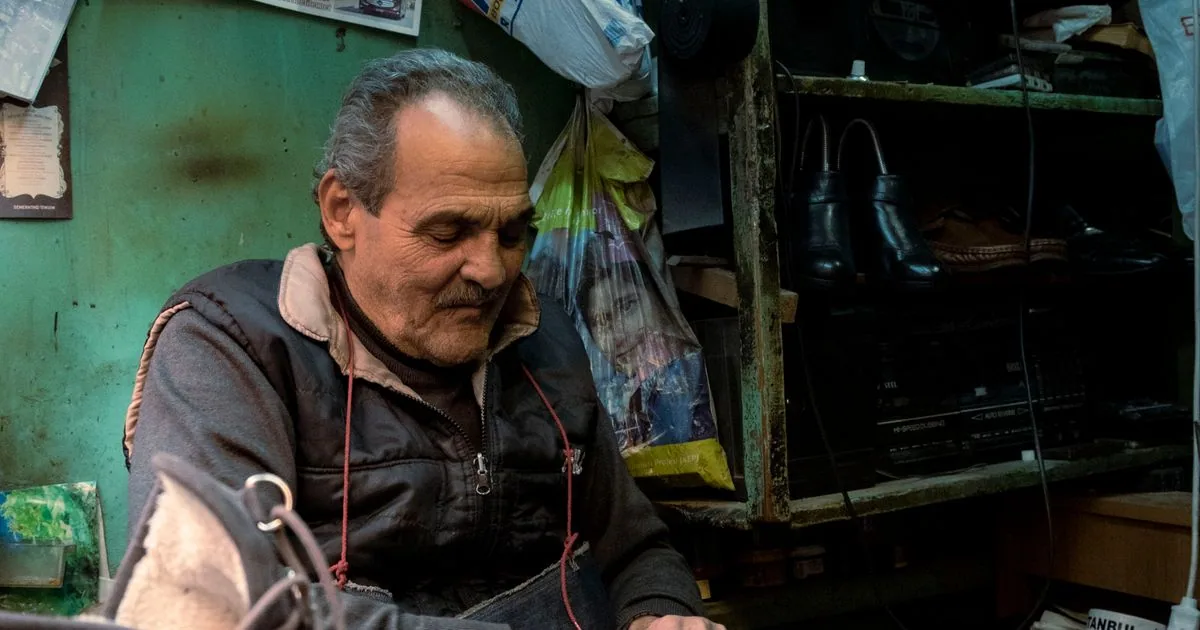
"Not responsible for shoes left over 30 days." It hangs in shoe repair shops from Everett, Washington to Branford, Connecticut, and it is almost never enforced. The Everett shop's owner admitted keeping pairs for two years. A Natick, Massachusetts cobbler told CBS that 90% of the shoes on his shelf were uncollected, adding: "I call people every week but very few come to pick up."
That sign is not really a policy. It is a symptom - the visible evidence that the shop's notification system (a phone call that went to voicemail, weeks ago) does not work. And while the sign talks tough, the law mostly does not back it up: a repair shop holding a customer's goods is a bailee, and in most jurisdictions you need documented, reasonable attempts to reach the owner before you can dispose of anything. A stack of "I think I called them" is weak documentation. A timestamped text trail is strong. That legal angle is covered properly in our repair shop pickup policy template; this article is the message side.
Why texting fits this trade unusually well
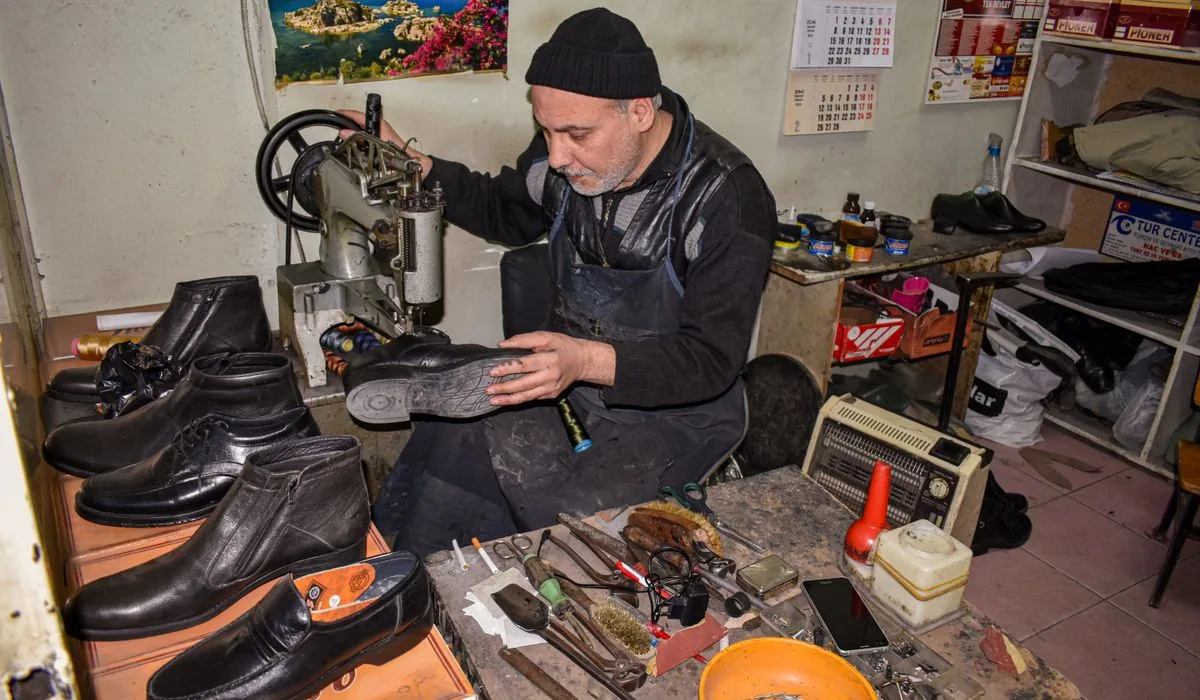
The industry math makes each surviving shop busier. The Shoe Service Institute of America's historians count roughly 120,000 US shops in the late 1920s down to fewer than 3,500 today, while IBISWorld puts the remaining industry at $315.6 million across about 3,300 businesses - and repair demand rises every time money gets tight (a pattern NPR documented back in 2008 and Canadian shops report again now). More work per shop means more drop-offs to track and more counter interruptions, usually with no front desk at all.
Meanwhile the customer base split. Half your walk-ins are older regulars who like the phone; the other half expect order tracking like a pizza. Forward-looking shops already advertise the fix - an Alabama shop notifies by text when shoes are ready, and it is a differentiator precisely because the default in this trade is still a numbered paper ticket and a hopeful phone call.
Drop-off and quote: templates 1-4
1. Drop-off confirmation (replaces the lost paper ticket):
"Hi Maria, this is Fern Ave Shoe Repair. Got your black ankle boots in - ticket #214, new heels + polish, $48. Ready by Thu Sep 10. We'll text when they're done. Track here: [link]"
2. Drop-off for a longer job, with the honest window:
"Hi Dan, your western boots are checked in (#215). Full resole + shank check, $130. We're in boot season, so realistic timing is 3 weeks. We'll text if that changes."
3. The mid-job approval - the dispute killer. Read the customer forums in this trade and the recurring fight is always the same shape: work grew mid-job, the price grew with it, and the customer found out at pickup. Stop and send this instead:
"Update on #215: got the old sole off and the shank is cracked - these will fail again without replacing it. Extra $35 on the quote ($165 total). Reply YES to go ahead or NO and we'll finish the resole as quoted."
4. Quote for sentimental work. A meaningful share of cobbler work is a late parent's boots or wedding shoes. Put the number and the plan in writing before touching them; those are the customers who most need (and most appreciate) the paper trail.
Status and delay: templates 5-6
5. The delay notice (send it before they call):
"Quick update on your loafers (#218): the leather we ordered for the half soles arrives Monday, so pickup moves from Fri to next Wed. Sorry for the wait - they'll be worth it."
6. The no-news update on long jobs. For anything quoted past two weeks, one unprompted midpoint text ("still on schedule for the 24th") prevents the where-are-my-shoes call. The interruption math is the same as every counter trade's - we ran it in the forgotten-pickups piece - and it lands harder in a one-person shop where the person answering the phone is the person holding the stitcher.
Ready for pickup, and the abandonment clock: templates 7-10
7. Ready for pickup:
"Good news Maria - your boots are done and they came out great. Open Mon-Sat 9-6, ticket #214, $48 due. See you soon!"
8. The 7-day nudge:
"Hi Maria, your boots (#214) are still waiting for you at Fern Ave Shoe Repair. We hold finished work 60 days. Any weekday works - reply here if you need us to hold them longer."
9. The 30-day notice (this is the one your policy needs):
"Notice from Fern Ave Shoe Repair: ticket #214 (black ankle boots) has been ready since Sep 10. Per the policy on your receipt, items unclaimed 60 days after completion (Nov 9) may be donated. Reply to arrange pickup - we're happy to work something out."
10. The final notice, day 50. Same message, harder date. If they still never come, you have a dated written-notice trail, which is what the bailee rules actually ask of you - and you are free to do what the best shops do with truly abandoned pairs, which is donate them (the Everett cobbler sends his to a domestic-violence charity's thrift store). While the shelf never empties completely, technically the difference between a liability and a donation is the notification record.
The relationship texts: templates 11-12
11. The review ask, at pickup + one day:
"Thanks for trusting us with your boots, Maria! If they feel good, a Google review helps a small shop more than you'd think: [link]"
Timing and phrasing options are in our review-ask scripts guide, and the review text generator will write variants for you.
12. The season opener (September, to last winter's customers):
"Hi Dan, Fern Ave Shoe Repair here. Boot season is coming - if last year's pair needs new heels or a salt cleanup before the snow, beat the rush this month. Reply STOP to opt out."
Note the opt-out line: unlike templates 1-10 (which are about a job the customer already booked), this one is marketing, so consent and unsubscribe rules apply - US shops are under the carrier rules we covered in the 10DLC guide, and Canadian shops under CASL.
What the numbers look like with real prices
Take a Seattle price list as the reference point (Swanson's, published rates): half soles $65, walking heels from $40, zippers $50-$95. A shop turning 100 tickets a month at those prices is moving $5,000-$8,000 of work across the counter. If even 10 finished pairs a month sit unclaimed for weeks, that is several hundred dollars of completed labour waiting on a phone call nobody answers - every month, indefinitely. The two reminder templates above are the highest-ROI texts in this article.
Sending these by hand works. Sending them automatically works better. FixyFlow gives every ticket a tracking page - the drop-off text sends when you create the job, the status text sends when you move it to Ready, the pickup reminders escalate on a schedule you set, and every message is logged with a timestamp your abandonment policy can point to.
Free for 5 jobs a month (a fair test for a small counter), $19/month on Starter - see pricing.
The shops still standing in this trade are the ones people trust with their grandfather's boots. The texts above do not change the craft - they just make sure the person who trusted you actually comes back for the finished work, pays for it, and tells Google about it.
Sources: HuffPost on the cobbler decline (SSIA figures); IBISWorld shoe repair industry report; CBS Boston on Cobbler Shop West; Everett Herald on People's Shoe Repair; NPR on repair demand in downturns; CBC on the repair-side rebound; Swanson's Shoe Repair price list; Old Style Shoe Shine-Repair turnaround policy. Legal notes are general information, not legal advice - unclaimed-property rules vary by state and province.
- Lasse / Built FixyFlow in Collingwood